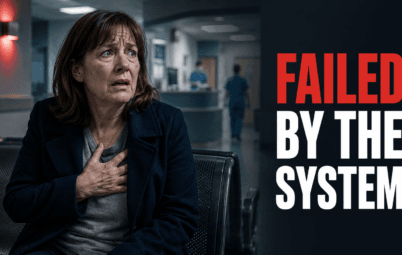
The acclaimed actress Olivia Williams, known for roles in The Sixth Sense, Friends, and The Crown, has revealed a deeply personal battle with cancer — and her story sheds light on a harrowing truth: pancreatic cancer is still being diagnosed too late, costing lives that might otherwise be saved.
A Delayed Cancer Diagnosis That Changed Everything
Olivia’s journey began with years of unexplained symptoms: chronic diarrhoea, fatigue, aching limbs, and dramatic weight loss. She saw ten doctors in three countries over a four-year period. At first, her condition was mislabelled — one consultant said she had lupus, another suggested she was perimenopausal, and shockingly, one even referred her for a psychiatric assessment.
Eventually, after years of uncertainty and declining health, a rare and aggressive tumour — a VIPoma — was discovered in her pancreas. But by then, the cancer had already spread to her liver. Though initial treatments helped, including surgery and microwave ablation, metastases have continued to appear, and she now faces ongoing treatment with targeted radiotherapy.
The Grim Reality of Pancreatic Cancer in the UK
Olivia Williams’ experience is sadly not unique. Pancreatic cancer remains the deadliest common cancer. It’s notoriously hard to detect early, often presenting no clear symptoms until it has already spread. According to Pancreatic Cancer UK, one in four patients die within a month of diagnosis. The average survival time? Just three months — a figure that has barely changed in five decades.
It currently takes the average pancreatic cancer patient more than 11 GP visits to be diagnosed. For Olivia, it was nearly double that. These missed opportunities reflect a wider failure in early detection.
Hope on the Horizon: The Call for Early Testing
Despite the grim statistics, Olivia is now campaigning for a cheap, simple early detection test. Researchers believe that such a test — possibly as straightforward as a breath or blood sample — could soon be available. But funding is desperately needed to bring it to the NHS.
“This isn’t about me,” Olivia says. “It’s too late for me. But it’s not too late for others. A pancreatectomy [removal of the pancreas] could save lives — if only the cancer is found early enough.”
She urges everyone over 40 to be vigilant: any change in bowel habits lasting more than three weeks should prompt urgent medical attention.
If You’ve Been Affected by a Delayed Cancer Diagnosis
Delayed diagnosis of pancreatic cancer can rob families of precious time and deny patients access to potentially life-saving treatments. If you or a loved one have experienced a late or missed diagnosis, you may be entitled to claim compensation for medical negligence.
At Hutcheon Law, we specialise in delayed diagnosis claims and understand the trauma that comes with these avoidable outcomes. We’re here to support you every step of the way.
- Free initial consultation
- No win, no fee
- Specialist solicitors in cancer misdiagnosis claims
Learn more about how to begin your pancreatic cancer compensation claim.
Things Need to Change — And Fast
Olivia Williams’ story is a stark reminder that the UK’s healthcare system must do better. Delayed diagnosis is costing lives. But with public awareness, improved GP training, and investment in research for early testing, we can shift the odds.
Until then, stories like Olivia’s — brave, raw, and heartbreakingly common — should galvanise us to push for change and fight for justice.