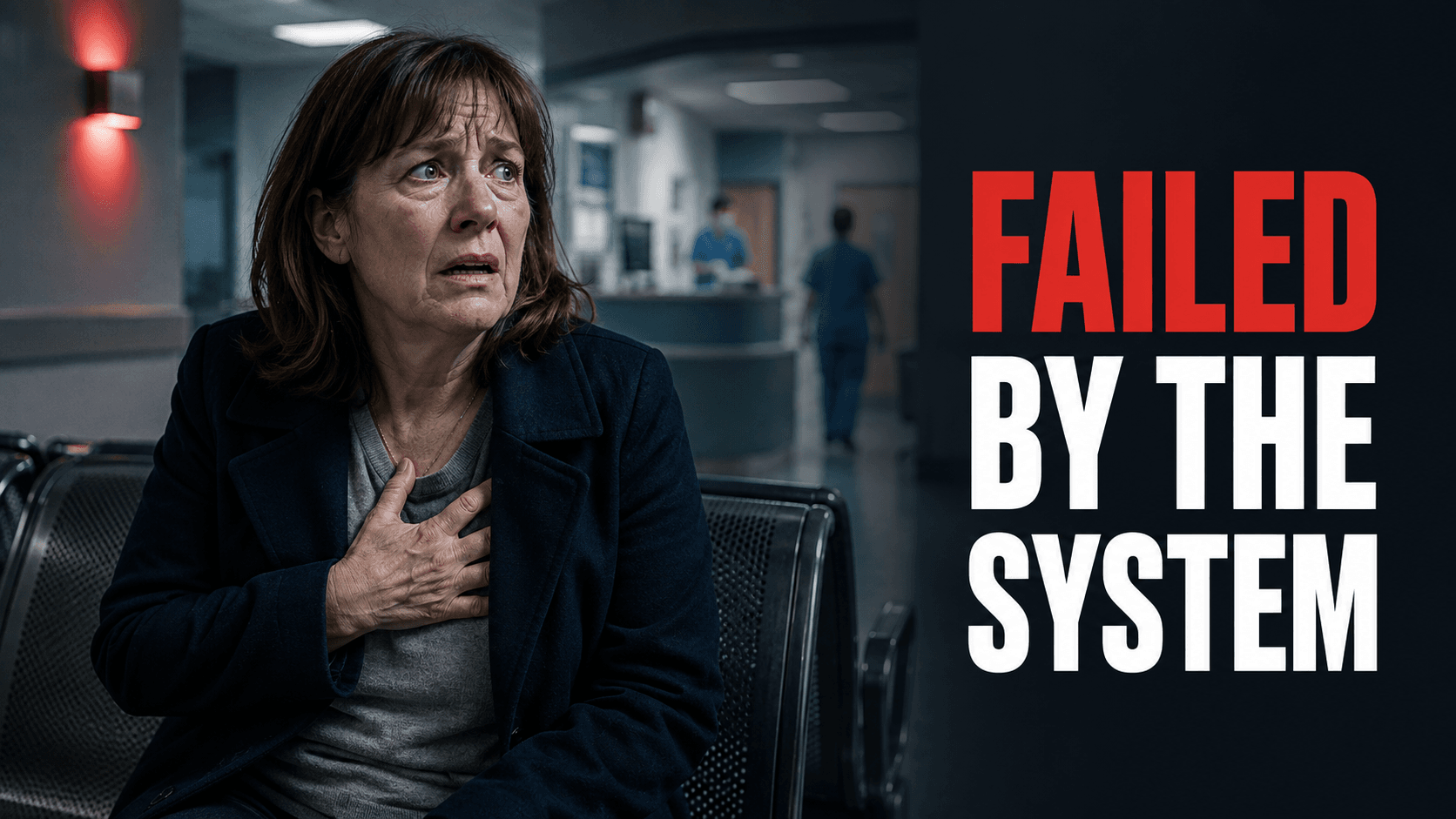
New Heart Attack Definition Could Reduce Missed Diagnoses in Women
A major international change to the definition of a heart attack could help doctors recognise cardiac emergencies that have historically been missed, particularly in women.
On 28 August 2026, four leading international cardiology organisations published the Fifth Universal Definition of Myocardial Infarction.
The new definition was developed jointly by:
- The European Society of Cardiology;
- the American College of Cardiology;
- the American Heart Association; and
- the World Heart Federation.
Changing the medical categories used to describe a heart attack may initially sound like a technical issue. In reality, it could affect the symptoms doctors take seriously, the test results they rely upon and the investigations offered to patients.
The changes are particularly important for women. They address the under-recognition of less common causes of heart attack and the use of blood-test thresholds which may fail to identify heart damage in some female patients.
For women and their families, this raises an important question: how many heart attacks have previously been overlooked because the patient did not fit the conventional medical picture?
Medical emergency: If you believe that you or somebody else may be having a heart attack, call 999 immediately. Do not wait for legal advice or attempt to drive yourself to hospital.
What has changed in the definition of a heart attack?
The previous international system divided myocardial infarctions, commonly known as heart attacks, into numbered types.
The new definition replaces that structure with three clearer categories:
| Previous approach | New approach |
|---|---|
| Heart attacks were divided into types 1, 2, 3, 4 and 5, with further subcategories | Heart attacks are described as primary, secondary or procedure-related |
| Type 1 mainly covered attacks caused by plaque rupture or erosion followed by a blood clot | Primary heart attack includes acute problems arising within a coronary artery |
| Type 2 combined several different coronary causes with heart damage resulting from another illness | Secondary heart attack is more specifically associated with an oxygen supply-and-demand imbalance caused by another acute condition |
| Types 4 and 5 covered complications associated with cardiac procedures and surgery | These are brought together as procedure-related heart attacks |
A primary heart attack may include:
- rupture or erosion of fatty plaque followed by the formation of a blood clot;
- spontaneous coronary artery dissection;
- coronary artery spasm;
- coronary embolism;
- late stent thrombosis;
- restenosis; and
- failure of a coronary artery bypass graft more than 30 days after the procedure.
A secondary heart attack arises when another serious illness creates an imbalance between the oxygen the heart needs and the oxygen it receives. Possible causes include:
- severe anaemia;
- extremely low oxygen levels;
- a dangerously fast heart rhythm;
- severely high or low blood pressure; or
- another acute illness placing excessive strain on the heart.
A procedure-related heart attack occurs as a complication of a cardiac procedure or heart operation.
It is important to understand that “primary” does not necessarily mean “the most severe”. The categories are not a ranking system. They describe how the heart attack happened and are intended to help clinicians identify its underlying cause.
Contact Us Now To Claim
Why does the new definition particularly matter for women?
The traditional image of a heart attack is often an older man experiencing severe, crushing chest pain because a coronary artery has been blocked by fatty deposits and a blood clot.
Although this remains a common form of heart attack, it is not the only way one can happen.
Some women experience heart attacks without the expected pattern of obstructive coronary artery disease. A woman may be younger, physically fit and have few conventional risk factors such as high cholesterol, diabetes or smoking.
When a patient does not fit the expected profile, there is a danger that serious symptoms may be attributed to anxiety, indigestion, hormonal changes or a muscular problem without adequate investigation.
The new definition gives greater recognition to acute coronary conditions which are particularly relevant to female patients.
What is spontaneous coronary artery dissection?
Spontaneous coronary artery dissection, usually shortened to SCAD, happens when a tear or separation develops within the wall of a coronary artery.
Blood can collect between the layers of the artery wall, narrowing the normal channel and restricting the supply of oxygenated blood to the heart muscle. This can cause a heart attack and, in some cases, a cardiac arrest.
According to the British Heart Foundation’s guidance on SCAD, at least 80% of people affected by the condition are women. It most commonly occurs in women between approximately 45 and 53 years old, although people outside that age range can also be affected.
SCAD may occur during pregnancy or in the period following childbirth. However, many cases are not pregnancy-related.
A woman experiencing SCAD may have none of the conventional risk factors commonly associated with coronary heart disease. That can make the diagnosis easier to overlook, especially where the symptoms are not dramatic or the first tests appear inconclusive.
The new international definition expressly recognises SCAD as a potential cause of a primary heart attack.
What is a coronary artery spasm?
A coronary artery spasm, also known as coronary vasospasm, happens when a coronary artery suddenly tightens.
The spasm may severely reduce the supply of blood to the heart muscle, even where there is no large, permanently fixed blockage within the artery. If the reduction in blood flow is sufficiently severe or prolonged, it can cause heart muscle damage and a heart attack.
A spasm can sometimes be triggered by:
- severe emotional stress;
- exposure to cold;
- certain medicines or recreational drugs;
- smoking;
- alcohol consumption; or
- changes within the nervous system controlling the arteries.
However, the precise cause will not always be apparent.
The updated definition places coronary spasm within the primary heart attack category because the immediate problem arises within the coronary artery itself.
What is a coronary embolism?
A coronary embolism occurs when a blood clot or another substance travels through the bloodstream and becomes lodged in a coronary artery.
It is different from the more familiar process in which a blood clot forms directly over ruptured fatty plaque. Nevertheless, the result can be the same: blood flow is interrupted and part of the heart muscle is deprived of oxygen.
By bringing SCAD, coronary spasm and coronary embolism into the primary heart attack category, the new framework should encourage clinicians to investigate what has happened inside the coronary arteries.
The absence of a conventional cholesterol-related blockage should not automatically bring the investigation to an end.
Troponin testing and missed heart attacks in women
Troponin is a protein found in heart muscle. When heart muscle cells are damaged, troponin is released into the bloodstream.
A high-sensitivity troponin blood test is therefore one of the most important tests used when doctors suspect a heart attack.
However, women generally have lower normal troponin levels than men. If a hospital uses a single threshold based on results from a combined male and female population, that threshold may be too high to detect heart damage in some women.
The full Fifth Universal Definition of Myocardial Infarction states that sex-specific upper reference limits should be used when defining myocardial injury. It recognises that relying on a single uniform threshold can introduce systematic bias and contribute to the underdiagnosis of heart attacks in women.
This does not mean there is one universal “female troponin number”. Different analysers and validated hospital pathways may use different reference values.
A troponin result must also be considered alongside:
- the nature and timing of the symptoms;
- whether the troponin level changes between blood samples;
- ECG findings;
- the patient’s medical history;
- clinical observations;
- examination findings; and
- appropriate cardiac imaging.
A low initial troponin result does not always rule out a heart attack. If the sample was taken shortly after symptoms began, the level may not yet have risen sufficiently. Repeat testing may therefore be necessary.
Can a normal ECG rule out a heart attack?
No. A normal or inconclusive electrocardiogram, commonly called an ECG, does not invariably exclude a heart attack.
An ECG records the heart’s electrical activity and can show changes associated with reduced blood flow or heart muscle damage. However, those changes may not be present during the early stages of a heart attack or may be difficult to identify.
Where the symptoms remain concerning, clinicians may need to consider:
- repeat ECGs;
- repeat troponin testing;
- continued observation;
- an echocardiogram;
- coronary angiography;
- CT coronary angiography;
- cardiac MRI; or
- specialist cardiology review.
The correct approach will depend upon the patient’s symptoms, history, condition and initial test results.
Will every woman with a suspected heart attack receive an angiogram?
Not automatically.
A coronary angiogram uses X-rays and contrast dye to examine the blood vessels supplying the heart. It may identify a blockage, tear, spasm or another coronary abnormality. In some cases, treatment can be provided during the same procedure.
The new framework promotes coronary angiography and further investigations where clinically appropriate so that the cause of a primary heart attack can be established.
However, an angiogram is not suitable or necessary for every patient. Doctors must consider the patient’s condition, stability, test results and the risks associated with the procedure.
The important point is that the absence of the most familiar type of coronary blockage should not lead clinicians to dismiss the symptoms or end the investigation prematurely.
Heart attack symptoms in women
Chest pain or discomfort remains a common symptom of a heart attack in both women and men. The pain, however, is not always dramatic, crushing or severe.
The NHS guidance on heart attack symptoms identifies possible symptoms including:
- pressure, heaviness, tightness or squeezing across the chest;
- pain spreading to the arms, jaw, neck, back or abdomen;
- breathlessness;
- feeling sick or being sick;
- sweating;
- dizziness or light-headedness;
- overwhelming anxiety;
- coughing or wheezing; and
- discomfort resembling indigestion.
Some patients may experience breathlessness, unusual fatigue, nausea, back pain or jaw pain without the severe central chest pain commonly associated with a heart attack.
Symptoms should be considered together and in the context of the individual patient. A serious cardiac condition should not be dismissed merely because the woman is young, does not have high cholesterol or describes her symptoms as discomfort rather than pain.
Anyone who suspects a heart attack should call 999 immediately.
Why are heart attacks sometimes misdiagnosed in women?
A missed diagnosis can happen for several reasons. These may include:
- assuming that a younger woman is at low risk;
- attributing chest discomfort or breathlessness to anxiety;
- describing symptoms as indigestion without adequate investigation;
- placing too much reliance on one normal ECG;
- taking a troponin sample too early;
- failing to repeat blood tests;
- applying an inappropriate troponin threshold;
- overlooking a significant change between two troponin results;
- failing to consider SCAD or another less common coronary cause;
- discharging the patient while significant symptoms remain unexplained; or
- failing to arrange timely cardiac imaging or specialist review.
Not every incorrect initial diagnosis amounts to negligence. Medicine often involves uncertainty, and a heart attack can sometimes be difficult to identify even when reasonable care is provided.
The legal question is whether the assessment, investigation or treatment fell below the standard reasonably expected from the clinicians involved.

Does the new definition immediately change NHS legal duties?
The Fifth Universal Definition is an international clinical consensus statement. It is not an Act of Parliament, and its publication does not automatically establish that every earlier failure to diagnose a heart attack was negligent.
It must be considered alongside national guidance, including relevant NICE recommendations concerning recent-onset chest pain, locally validated hospital pathways and reasonable UK medical practice.
For treatment provided before August 2026, the standard of care will normally be assessed by reference to the medical knowledge, guidance and reasonable clinical practice applying at that time. A later publication cannot simply be imposed retrospectively.
Nevertheless, many of the underlying medical principles are not new. SCAD, coronary spasm and coronary embolism were recognised before the updated definition. The potential importance of sex-specific troponin thresholds was also known and had featured in earlier medical guidance.
The new definition may provide important context and evidence, but every potential claim must be investigated according to its own facts.
When might a missed heart attack amount to clinical negligence?
A potential claim may require investigation where:
- cardiac symptoms were dismissed as anxiety, indigestion or muscular pain without adequate assessment;
- clinicians treated a normal ECG as conclusively excluding a heart attack;
- troponin testing was not arranged;
- a blood sample was taken too early and not repeated;
- an incorrect laboratory threshold was applied;
- a significant rise or fall in troponin levels was overlooked;
- abnormal results were not reviewed or communicated;
- clinicians failed to consider SCAD in a younger woman or following pregnancy;
- cardiac imaging was unreasonably delayed;
- a cardiology referral was not made when required;
- the patient was discharged despite persistent or unexplained symptoms;
- deterioration was not properly monitored; or
- treatment was delayed after the heart attack had been identified.
Patients affected by failures in emergency or hospital care can read more about how delayed hospital treatment may lead to clinical negligence.
These circumstances justify further investigation. They do not, by themselves, prove negligence.
What must be proved in a heart attack misdiagnosis claim?
A successful clinical negligence claim will ordinarily require evidence of breach of duty and causation.
Breach of duty
Breach of duty means proving that the assessment, investigation or treatment fell below the standard reasonably expected of the relevant healthcare professional.
Depending on what happened, this might involve the conduct of:
- a GP;
- an NHS 111 clinician;
- an ambulance paramedic;
- an A&E doctor;
- a hospital physician;
- a cardiologist;
- a radiologist;
- a nurse; or
- the wider hospital team.
An independent medical expert will normally be asked to assess whether the care provided was reasonable.
Causation
Causation means proving that the failure probably made a material difference to the outcome.
It may be necessary to establish that earlier competent diagnosis and treatment would probably have:
- reduced the extent of permanent heart muscle damage;
- prevented or reduced heart failure;
- avoided a cardiac arrest;
- prevented a dangerous heart rhythm;
- reduced the need for invasive treatment;
- shortened the period spent in hospital;
- improved the patient’s recovery;
- preserved the ability to work or live independently; or
- prevented the patient’s death.
A missed diagnosis alone is not enough. Compensation relates to the additional injury and loss caused by the negligent delay, rather than the underlying heart condition for which nobody was responsible.
General information about bringing a claim is available from our medical negligence solicitors.
What evidence should be obtained?
Heart attack claims require careful reconstruction of the medical timeline. Important evidence may include:
- GP records;
- NHS 111 recordings and notes;
- ambulance records;
- A&E records;
- triage documentation;
- the original ECG tracings rather than only the written interpretation;
- every troponin result;
- the precise times at which blood samples were taken;
- the laboratory reference ranges in use;
- nursing observations;
- blood pressure, oxygen and heart-rate records;
- echocardiograms;
- angiograms;
- CT scans;
- cardiac MRI images;
- cardiology referral records;
- hospital communications;
- discharge advice;
- safety-netting instructions;
- witness accounts of symptoms and discussions;
- complaint correspondence;
- duty of candour documentation;
- internal hospital investigation reports; and
- post-mortem or inquest evidence where the patient died.
Independent expert evidence may be required from specialists in emergency medicine, cardiology, cardiac imaging, intensive care or another relevant discipline.
What compensation could be recovered?
Compensation depends on the additional injury and financial loss caused by the negligent delay.
A claim may include:
- compensation for pain, suffering and loss of amenity;
- loss of earnings;
- reduced future earning capacity;
- care and assistance provided by relatives;
- professional care costs;
- rehabilitation expenses;
- private medical treatment;
- medication costs;
- travel expenses;
- mobility equipment;
- accommodation adaptations;
- psychological injury;
- the effect upon independence; and
- future financial losses.
Where the delay causes a severe, permanent cardiac disability, further information about substantial long-term losses can be found in our guide to life-changing injury claims.
Claims following a fatal heart attack
A heart attack can tragically prove fatal. Where negligent delay contributed to the death, a claim may potentially be brought on behalf of the deceased’s estate and qualifying family members.
Depending upon the circumstances, compensation may include:
- the deceased’s pain and suffering before death;
- financial losses incurred before death;
- funeral expenses;
- loss of financial dependency;
- loss of services such as childcare, housework and caring support; and
- statutory bereavement damages for those eligible under the legislation.
The medical and legal issues must be investigated carefully. It will usually be necessary to consider whether earlier diagnosis and treatment would probably have prevented the death or materially extended the patient’s life.
Is there a time limit for making a claim?
Clinical negligence claims in England and Wales are generally subject to a three-year limitation period.
That period commonly runs from:
- the date of the negligent treatment; or
- the date on which the patient first acquired sufficient knowledge that the injury might be connected with negligent treatment, if later.
Different rules apply to children and people who lack the mental capacity to manage legal proceedings.
Where a patient dies, separate limitation issues can arise under the legislation governing estate and dependency claims.
A complaint, internal hospital investigation, ombudsman referral or inquest does not automatically stop the limitation period from running. Families should therefore obtain legal advice as soon as possible.
Speak to a specialist medical negligence solicitor
The new heart attack definition represents an important effort to address weaknesses in cardiac diagnosis, particularly for women whose symptoms, medical history or blood-test results do not fit the traditional picture.
For an individual patient or family, however, the question is more personal: should the heart attack have been recognised sooner, and what difference would competent treatment probably have made?
R James Hutcheon Solicitors acts for patients and bereaved families in complex clinical negligence cases. We can obtain the medical records, reconstruct the timeline and seek independent expert advice about whether the care was negligent and caused avoidable harm.
For a free, confidential and no-obligation initial discussion, telephone 0151 724 7121 or contact our medical negligence solicitors.
Contact Us Now To Claim