Housing disrepair in London: report problems before winter
As temperatures fall, problems such as a broken boiler, leaking roof, draughty windows or damp and mould can make a home difficult and sometimes unsafe to live in. Tenants in London should report repairs promptly and keep a record of what they have told their landlord.
Landlords’ repair duties can cover the structure and exterior of a rented home, as well as key installations such as heating, water and sanitation. A home may also be unfit for human habitation if serious conditions make it unsafe or unhealthy. The precise duties depend on the tenancy and the cause of the problem.
Tell your landlord or agent in writing
Report the problem to your landlord or letting agent as soon as possible. Describe what is wrong, where it is happening and when you first noticed it. If the issue is getting worse, or someone in your household has a health condition that could be affected, explain that too.
For urgent problems, such as no heating or hot water, a serious leak or dangerous electrical wiring, contact the landlord or agent straight away. Follow up any phone call with an email or letter so there is a written record.
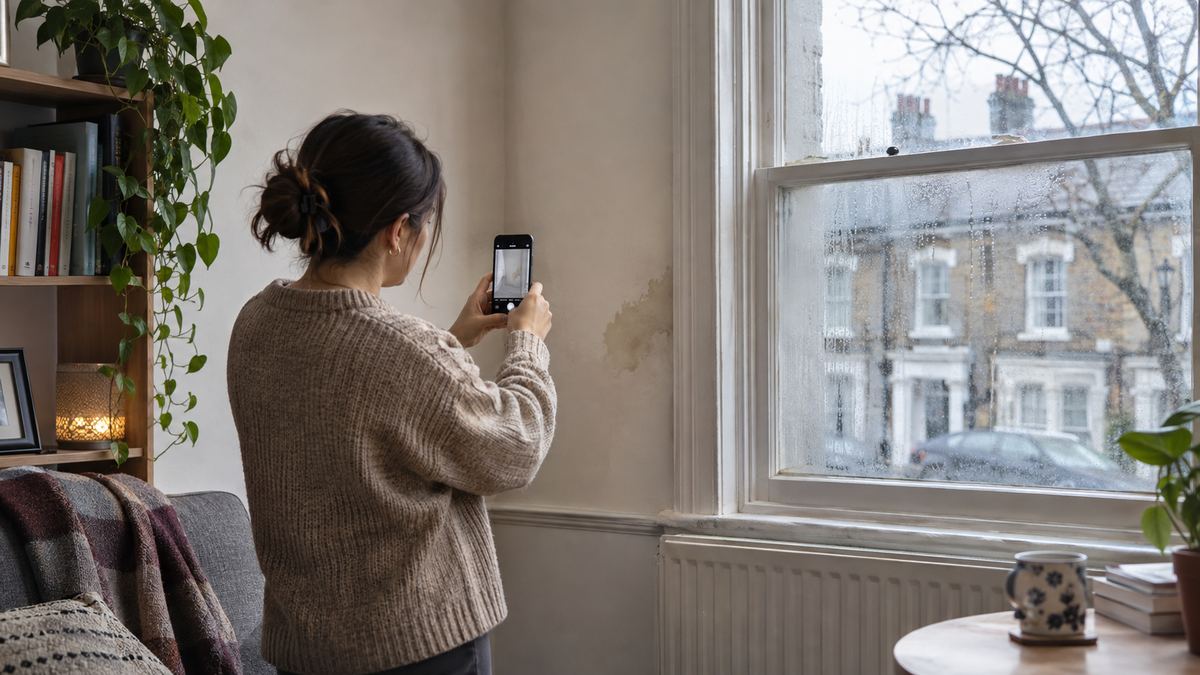
Keep copies of messages and repair requests. Take dated photographs or videos, note missed appointments and keep receipts for any reasonable expenses caused by the disrepair. If you or someone in your household becomes unwell, consider seeking medical advice and keep a record of that as well.
What if the landlord does not act?
If repairs are not dealt with, London tenants can contact the environmental health or private housing team at their borough council. The council may inspect the home and assess whether it contains a serious health or safety hazard. Depending on its findings, it can take enforcement action against a private landlord or housing association. The government explains the repair process and the role of the local council in its guidance for tenants whose rented home needs repairs.
Each London borough has its own reporting process, so use the council responsible for the area where the property is located. For example, Lambeth Council’s private housing service asks tenants to contact their landlord or agent in writing first and keep copies of correspondence.
Social housing tenants should also use their landlord’s formal complaints procedure if repairs are not handled properly. If the landlord’s final response does not resolve the issue, tenants may be able to take the complaint to the Housing Ombudsman. Reporting a repair and making a formal complaint are separate steps.
Awaab’s Law: new requirements for social landlords
Awaab’s Law has applied to social landlords in England since October 2025. For significant damp and mould hazards, social landlords must investigate within set timeframes and take steps to make the home safe. From 30 November 2026, the requirements are due to extend to significant excess-cold hazards in social housing, alongside other hazards. The rules are specific to social housing tenancies; they do not currently set the same deadlines for private landlords. See the government’s Awaab’s Law guidance for social tenants.
Private landlords still have repair and fitness obligations, and tenants can report serious hazards to their borough council. Government guidance also confirms that landlords should respond promptly to repair reports and that councils can take action where they identify serious hazards.
Do not ignore a worsening problem
Damp, mould, heating failures and water ingress can worsen during cold, wet weather. Report them early, keep the evidence and ask for a clear response about inspection and repairs. If the problem continues, a solicitor can advise whether the circumstances may support a housing disrepair claim.
For more information, read our guide to housing disrepair claims and how we may be able to help.
Contact Us Now To Claim