Following another celebrity sentencing yesterday regarding Russell Brand as a sexual predator, it has today been revealed that serious allegations of sexual misconduct involving comedian and children’s author David Walliams have emerged following a High Court ruling that allowed a major newspaper investigation to be published.
The allegations, reported in a major investigation by The Guardian, concern claims that Walliams used his celebrity status and professional influence to pursue teenage girls and young women over a number of years.
Walliams has strongly denied the allegations, including claims of sexual predatory behaviour, harassment and criminal wrongdoing.
Beyond the considerable publicity surrounding the case, the investigation raises wider questions about the abuse of power, the ability of individuals to speak openly about alleged sexual misconduct and the legal remedies available to survivors of historic sexual abuse.
What Are the Allegations Against David Walliams?
According to The Guardian’s investigation, conducted jointly with ITV News, several women have made allegations concerning their experiences with Walliams, some dating back more than 20 years. The investigation reportedly involved interviews with numerous individuals and consideration of documentary material, including communications and contemporaneous records.
Walliams denies abusing his position or engaging in criminal conduct. He has acknowledged that he may have behaved thoughtlessly during previous personal relationships but rejects the suggestion that he exploited his celebrity status.
It is important to emphasise that these are allegations. They have not been established as facts by the High Court, and the injunction proceedings did not determine whether any sexual misconduct occurred.
High Court Rejects Attempt to Prevent Publication
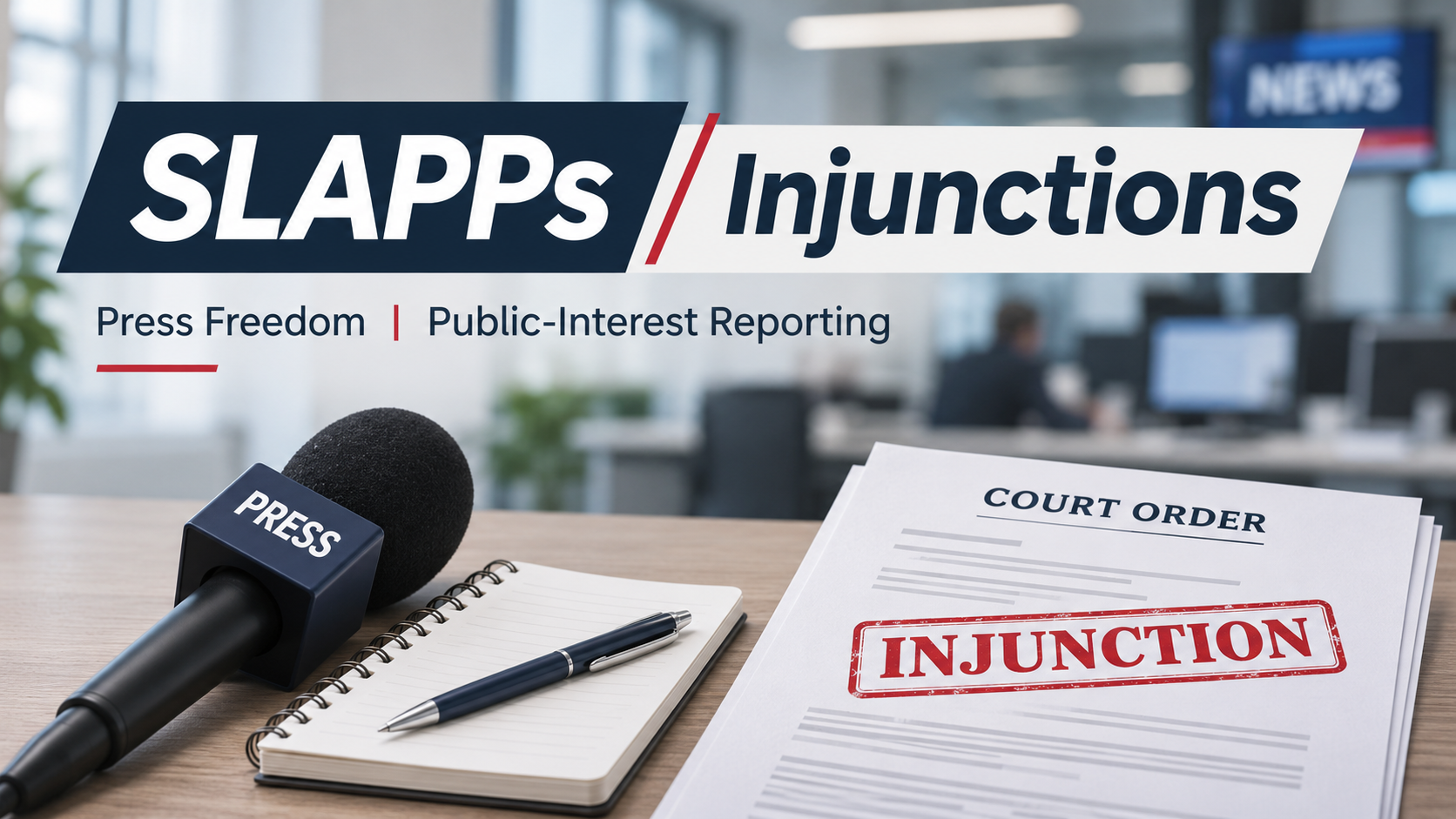
From a legal perspective one of the most significant aspects of this case concerns Walliams’ unsuccessful attempt to obtain an injunction preventing The Guardian and ITN from publishing their investigation. His legal representatives argued that publication would create a serious risk to his mental health and safety. The court accepted that the medical concerns were genuine and grave; read jugement on the case.
Nevertheless, Mr Justice Nicklin refused the injunction, finding that the public interest in reporting allegations of serious wrongdoing, together with the rights of the press and those providing information, outweighed the case for preventing publication. Walliams did not pursue an appeal by the relevant deadline, allowing the reporting to proceed.
As explained in The Guardian’s examination of the legal issues, the judgment involved competing rights under the European Convention on Human Rights, particularly the protection of private life and freedom of expression.
The Times has also examined the implications of the injunction proceedings for press freedom.
The decision is significant, but it does not establish an unrestricted right to publish accusations about identifiable individuals. Each case remains dependent upon its facts and the applicable legal principles.
If you have been Abused by a Celebrity or Person in Power
Historic Sexual Abuse: Why Some Victims Remain Silent for Decades
We act for many victims involving sexual abuse against Mohamed Al Fayed, Harrods and Fulham Footbal Club. We do of course act for many victims of sexual abuse without the involvement of a celebrity or person in power, however we have experience in this field of law.
One of the recurring features of historic sexual abuse cases is the considerable period that can pass before an individual feels able to disclose what happened. Fear of disbelief, embarrassment, shame, emotional trauma and concerns about the consequences of speaking out can all contribute to delayed reporting.
Those difficulties may be particularly pronounced where the alleged abuser occupied a position of authority, enjoyed considerable public recognition or possessed influence over the complainant’s personal or professional circumstances. A young person may not fully appreciate the nature of an exploitative relationship at the time. Others may recognise the impact of their experiences only years later.
Historic abuse many years back is not a bar to claiming compensation and you do not have had to report the abuse to the police but it helps. At Hutcheon Law, we recognise the difficulties individuals may encounter when considering whether to pursue historic sexual abuse and harassment claims.
Can Survivors of Historic Sexual Abuse Claim Compensation?
Depending upon the individual circumstances, those who have experienced sexual abuse may be able to pursue compensation through civil proceedings.
A claim may potentially be brought against the individual responsible for the abuse or, in appropriate circumstances, an organisation legally responsible for the perpetrator’s conduct. Therefore in Mohammed Al Fayed cases, as he was involved in Harrods and Fulham Football club, it is the organisations that are responsible for his acts. We also have a cases against him personally which means, because he has died, a claim direct against his estate.
Compensation can take account of the physical and psychological consequences of abuse, including recognised psychiatric injury, together with financial losses where recoverable. A criminal conviction is not necessarily required before a civil claim can be pursued. Criminal and civil proceedings apply different standards of proof.
Historic Sexual Abuse Claims: Seeking Legal Advice
The publicity surrounding allegations against prominent individuals may encourage others to reconsider experiences they have previously felt unable to discuss.
However, each case must be evaluated on its own evidence and circumstances.
Our specialist solicitors advise on historic sexual abuse, sexual harassment and compensation claims, including allegations arising many years previously.
We can consider the available evidence, identify potentially responsible parties and advise whether a civil claim or an application for criminal injuries compensation may be appropriate.
Anyone who has experienced sexual abuse should not assume that the passage of time necessarily prevents them from seeking legal advice or pursuing a claim.