Recent analysis from Cancer Research UK confirms a stark reality: cancer diagnoses in the UK have reached unprecedented levels.
- Around 403,000 people are now diagnosed with cancer each year
- This compares to 285,000 cases 20 years ago
- And 345,000 cases just a decade ago
This upward trend reflects a combination of demographic change, lifestyle factors, and improved detection. While more diagnoses may initially sound alarming, it also reflects better screening and awareness. However, the broader picture is more complex and raises concerns about whether the healthcare system can keep pace.
Why Are Cancer Rates Rising?
Ageing Population
Cancer risk increases significantly with age. As life expectancy rises across the UK, more people are naturally entering higher risk age brackets. This alone places sustained pressure on NHS cancer services.
Obesity as a Growing Driver
Obesity is now one of the most significant contributors to cancer:
- Linked to 13 different types of cancer
- Responsible for approximately 22,800 cases annually in the UK
- Now the second leading preventable cause of cancer after smoking
With obesity rates having doubled since the 1990s, the long term implications for cancer incidence are substantial and ongoing.
Smoking Remains the Leading Cause
Despite progress in reducing smoking rates, it remains the largest single cause of cancer:
- Around 57,000 cases per year are attributed to smoking
There are positive signs that smoking related cancers, particularly lung cancer, are beginning to decline. Future legislation aimed at reducing tobacco use may accelerate this trend.
Improved Screening and Awareness
More cancers are being detected due to better screening programmes and increased public awareness:
- Breast cancer screening is identifying more cases at an earlier stage
- Bowel cancer screening is expanding detection rates
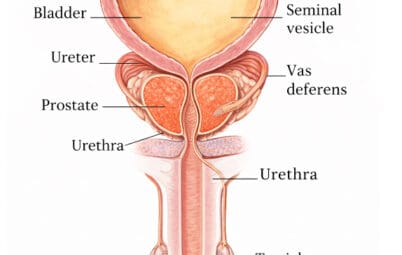
- Greater awareness of prostate cancer and PSA testing is increasing diagnosis levels
This improved detection is a double edged sword. It raises the number of recorded cases but also gives patients a better chance of survival when diagnosed early.
Survival Rates: Progress Has Slowed
There has been undeniable progress in cancer treatment:
- Survival rates have doubled over the past 50 years
- Around 60% of patients now survive five years or more
However, the pace of improvement has slowed in the last decade. This is a critical issue, particularly when combined with increasing demand on NHS services.
NHS Delays and Their Impact
Delays in diagnosis and treatment are now one of the most serious concerns:
- 107,000 patients experienced delays in starting treatment last year
- Only 69% of patients begin treatment within the NHS two month target
These delays can significantly affect outcomes. Cancer is often far more treatable in its early stages. Any delay may allow the disease to progress, reducing treatment options and survival chances.
Early Diagnosis: Limited Progress
Despite improvements in screening:
- Early stage diagnoses have only increased marginally from 54% to 55% over the past decade
This stagnation highlights a systemic issue. Early diagnosis remains the most important factor in improving survival, yet progress is not keeping pace with rising demand.
Government Targets and the National Cancer Plan

The Department of Health and Social Care has set ambitious targets for cancer care:
- By 2035, aim for 75% of patients to survive five years or more
- Increased investment in diagnostic services
- A focus on faster diagnosis and quicker treatment pathways
While these commitments are positive, achieving them will require sustained improvements in NHS capacity, workforce, and infrastructure.
Outcome for Patients
For patients, the message is clear:
- Early action remains critical
- Persistent or unusual symptoms should never be ignored
- Attendance at screening appointments is essential
The earlier cancer is detected, the greater the chance of successful treatment.
When Delays Become Clinical Negligence Claims
Not all delays are unavoidable. In some cases, delays may amount to clinical negligence, particularly where:
- Symptoms were not properly investigated
- Referrals were unreasonably delayed
- Test results were misread or not followed up
- There was a failure to act on clear warning signs
These failings can lead to significantly worse outcomes, particularly where earlier diagnosis would have improved prognosis or treatment options.
Delayed Cancer Diagnosis Claims
Where a delay in diagnosis has caused harm, patients may be entitled to bring a legal claim.
At R. James Hutcheon Solicitors, we specialise in complex clinical negligence cases, including delayed cancer diagnosis. We understand the devastating impact these cases can have, both medically and emotionally.
You can find further guidance and assess your potential claim by visiting our delayed cancer diagnosis claims page.
We offer a no win no fee service, ensuring that individuals can pursue justice without financial risk.

Sign off Note about Cancer in the NHS
Cancer cases in the UK are rising sharply due to an ageing population, increasing obesity rates, and improved detection methods. While survival rates have improved significantly over time, progress is now slowing, and NHS delays are becoming a serious concern.
Early diagnosis remains the key to improving outcomes. Where that opportunity is missed due to avoidable delay, it is entirely appropriate to seek legal advice and explore whether a claim may be justified.
Taking timely advice can make all the difference, both in understanding your position and in securing the support you may need moving forward.
Please get in touch with us even for a no obligation legal chat. No Win, No Worry, late Cancer Diagnosis Claims.